

Reducing supply chain emissions is essential to making meaningful progress across our overall carbon footprint.
We are advancing this work by integrating emissions considerations into product design and procurement decisions, while recognizing that lower-carbon value chains are increasingly important to customer expectations, supplier performance, and long-term business resilience.
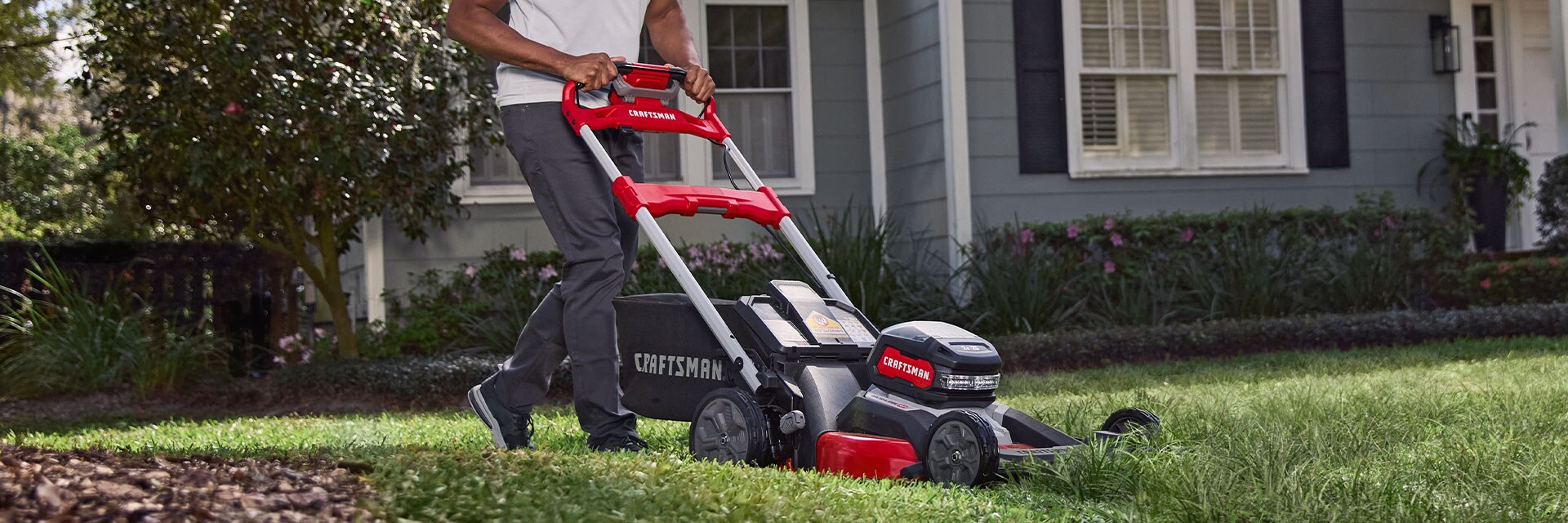
We are advancing electrification across our portfolio by innovating around what matters most to end users—productivity, convenience, and performance. From the trades to industrial and outdoor applications, battery-powered solutions are enhancing the user experience while also helping reduce emissions and noise, supporting progress toward lower Scope 3 emissions associated with product use. This transition extends beyond cordless tools to include industrial infrastructure solutions, automotive assembly equipment, and lawn and garden products. By reducing reliance on power cords, hydraulic hoses, and gas-powered engines, these innovations are helping deliver greater flexibility and ease of use for end users across a growing range of applications.
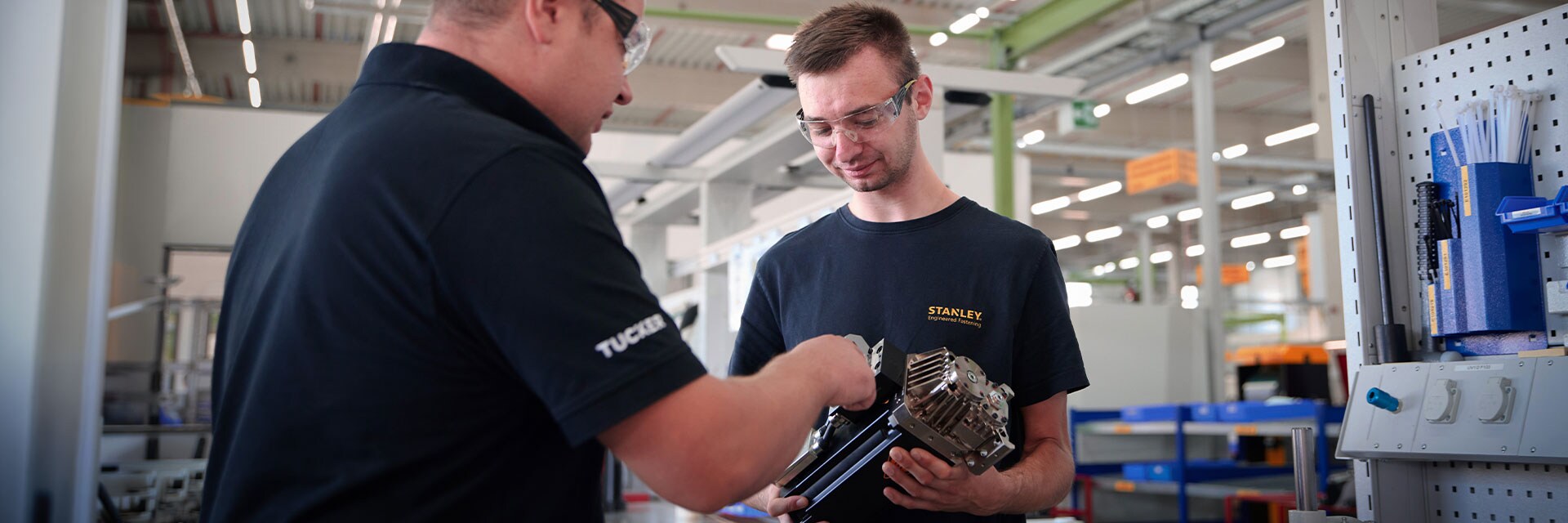
Steel—with its widespread use across our products—is a core priority in our category 1 emission reduction strategy. At our Stanley Engineered Fastening (SEF) site in Giessen, Germany, our European procurement teams are working to replace traditional Blast Furnace steel with steel produced using Electric Arc Furnaces, lowering the embodied carbon intensity significantly. These efforts have more than tripled Giessen’s usage of lower-emissions steel since 2020.
For several years, Stanley Black & Decker has partnered with Pac Anchor, a trucking company, to deliver shipments from the ports of Los Angeles and Long Beach to our Fontana, CA distribution center. Since 2020, Pac Anchor has been working to transition its fleet from diesel to compressed natural gas (CNG), significantly reducing greenhouse gas and particulate emissions. Today, over 95% of their delivery trucks—including all vehicles serving Stanley Black & Decker—are powered by CNG, which enabled our Fontana site to save more than $270,000 annually in environmental fees. These results reflect Pac Anchor’s commitment to lowering fleet emissions and the proactive efforts of our EHS and site security teams in finding opportunities to decrease the site’s environmental impacts while saving costs.